
Common Issues an Appliance Repair Service Can Fix
Household appliances support routines that are easy to take for granted until something stops working properly. A refrigerator that cannot stay cold, a washer that will not drain, or a microwave that stops heating can quickly interrupt meals, laundry, and other everyday tasks. While some malfunctions appear suddenly, others develop gradually through unusual noises, inconsistent performance, leaks, or incomplete cycles.
An appliance repair service can diagnose problems affecting refrigerators, freezers, washers, dryers, ranges, ovens, dishwashers, and microwaves. Because similar symptoms can arise from different components, professional diagnostics are important for identifying the actual source of a malfunction. Understanding common appliance problems can help homeowners recognize when professional attention is appropriate.
Refrigerator and Freezer Cooling Problems
Refrigerators and freezers must maintain consistent temperatures to perform properly. A cooling system that struggles to maintain its temperature may leave food insufficiently chilled or frozen. Compressor problems can also interfere with cooling performance, while unusual noises may provide another indication that the refrigerator is not operating normally.
Age provides useful context when an appliance begins experiencing problems. According to the U.S. Department of Energy, refrigerators last an average of 12 years, while washing machines last about 11 years. An appliance repair service can evaluate the actual malfunction rather than relying on age alone to determine what attention an appliance requires.
Cooling failures are not the only refrigerator and freezer concerns professionals encounter. An icemaker may stop producing ice, a dispenser can begin leaking and creating puddles, or water may escape from the refrigerator onto the kitchen floor. These symptoms warrant diagnosis because different components and systems may be responsible for what appears to be a straightforward problem.
Washer and Dryer Malfunctions
Washing machines can develop leaks, spinning difficulties, drainage failures, and irregular or incomplete cycles. Some units may become off-balance during operation, while others produce loud or unusual noises that were not present before. Electrical malfunctions can also interfere with the normal progression of a wash cycle.
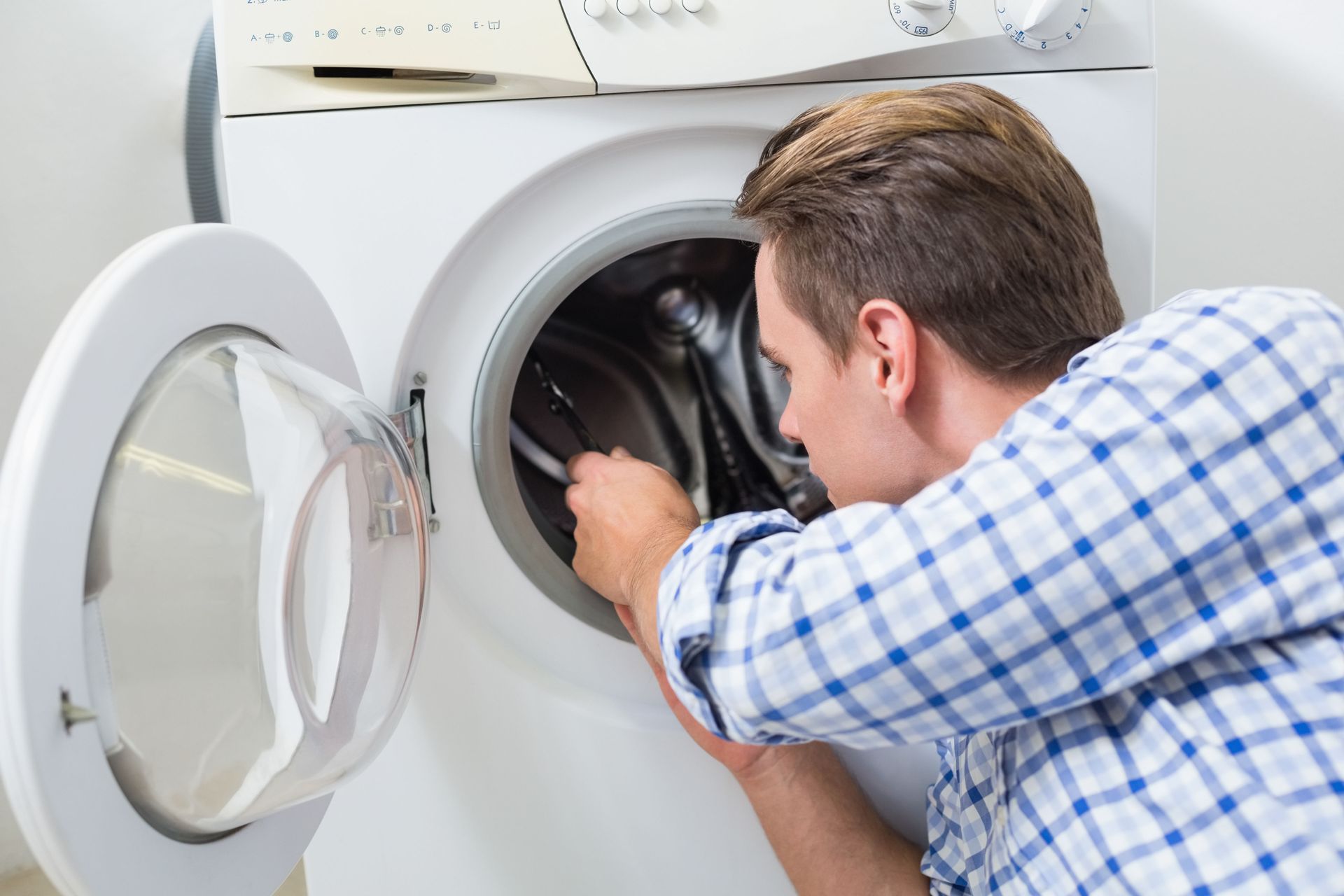
When these symptoms arise, an appliance repair service can assess the machine to determine what is interfering with its operation. A washer that contains standing water, for example, presents a drainage symptom that requires diagnosis before the appropriate repair can be identified. Professional evaluation can also address leaks, electrical faults, and problems with spinning or completing cycles.
Dryers present a different set of performance concerns. Towels or clothing that remain wet after a cycle may indicate that the dryer is not performing normally, while drum problems or unusual noises can affect operation in other ways. Dryer vents may also require professional cleaning when their condition begins interfering with appliance performance.
Range and Oven Heating Issues
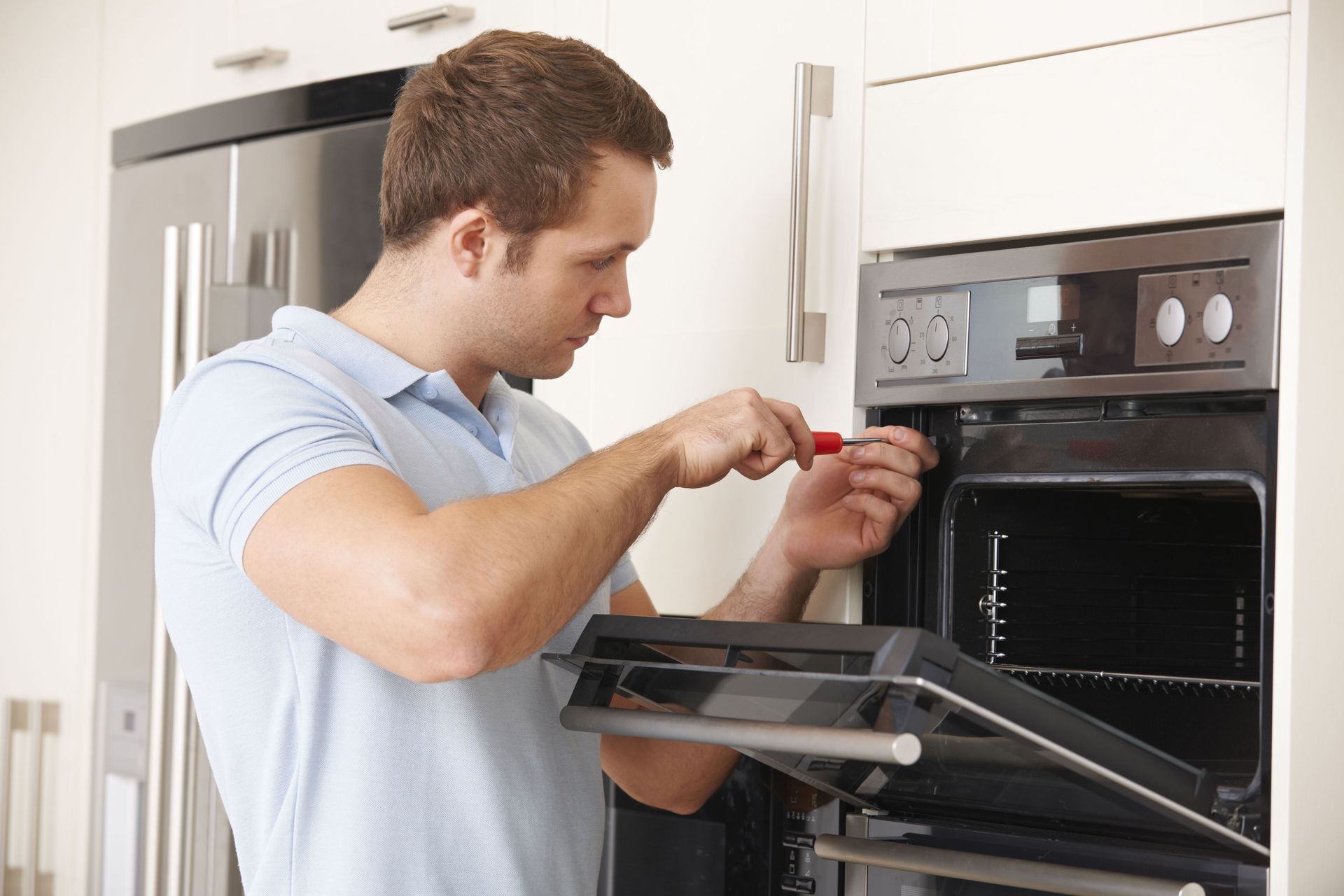
Ranges and ovens depend on reliable heating and accurate controls. Faulty burners or ignition problems can interfere with range operation, while an oven that cannot maintain the selected temperature may produce inconsistent cooking results. Food that repeatedly emerges burned or undercooked can be another indication that a heating component requires attention.
Damaged baking elements, broilers that fail to heat properly, and malfunctioning digital control boards are also among the problems an appliance repair service may address. Because these components perform different functions, a professional diagnosis helps identify whether the problem originates with the heating element, controls, ignition system, or another repairable component.
A range or oven does not need to stop working completely before a problem becomes noticeable. Intermittent heating or inaccurate temperatures may be just as disruptive as a total failure because homeowners cannot depend on consistent operation. Professional repair can address the responsible component and restore more predictable appliance performance.
Dishwasher Drainage, Cleaning, and Cycle Problems
Dishwashers combine water, drainage, electrical controls, and mechanical components throughout each cleaning cycle. A malfunction in one of these areas may result in pooling water, clogged drains, leaks, cloudy glassware, foul odors, or dishes that remain dirty after a cycle. Rinse-cycle problems can similarly prevent the appliance from producing the expected results.
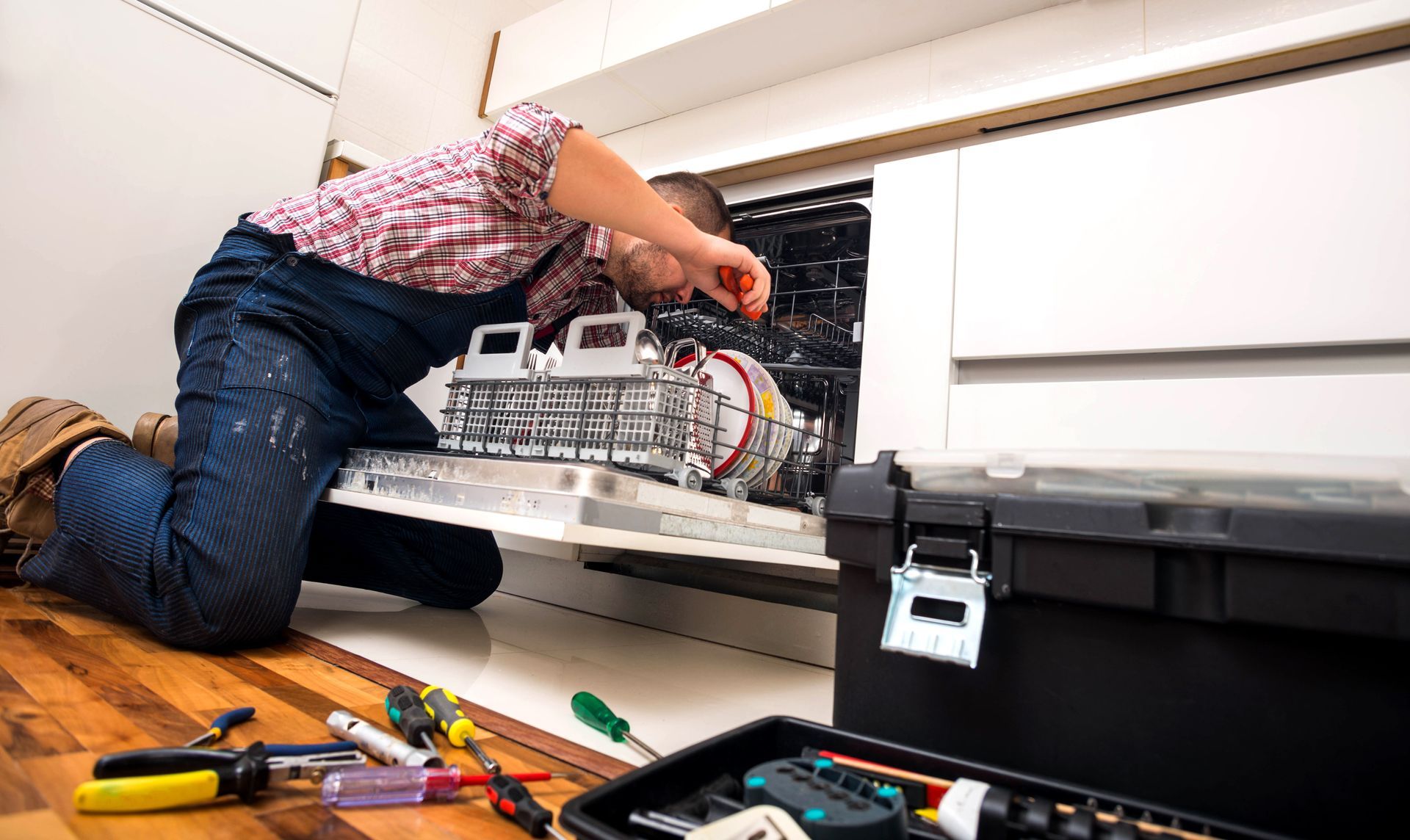
An appliance repair service can diagnose problems involving defective pumps, clogged filters, worn seals, sensors, inlet valves, control boards, and other dishwasher components. Unresponsive buttons on the control panel may point to a different problem than water collecting at the bottom of the machine, making accurate diagnosis an important part of determining the appropriate repair.
Some dishwasher symptoms can appear related even when their underlying causes differ. A leak may involve a seal or another water-handling component, while drainage trouble may involve a filter, pump, or another part of the system. Technicians can assess the affected components instead of treating every water-related dishwasher problem as identical.
Microwave Heating and Control Failures
One of the clearest microwave problems occurs when the appliance runs but no longer heats food correctly. Some microwaves may heat unevenly, while others can stop responding to controls. Broken turntables and malfunctioning turntable motors can also prevent the appliance from operating as expected.
Other problems may include faulty doors, sparking inside the microwave, sensor failures, or non-functioning control boards. Microwaves contain high-voltage components, so diagnosing electrical problems requires appropriate professional handling. Technicians can evaluate these components with the proper equipment and determine which part of the appliance is responsible for the malfunction.
Both countertop and over-the-range microwaves can experience these problems. Because electrical and mechanical faults can produce different symptoms, professional diagnostics help distinguish a failed component from another issue with similar outward signs. Once the cause has been identified, the appropriate repair or compatible replacement component can be selected.
Electrical and Mechanical Faults
Many household appliances depend on a combination of electrical and mechanical systems. Washers and dryers may experience electrical malfunctions, while dishwashers and microwaves can develop faults involving sensors, motors, pumps, or control boards. When an appliance fails to respond correctly, the visible symptom does not always reveal which internal component caused it.
Professional technicians can use diagnostic tools to assess these performance problems and identify the components involved. Depending on the appliance and malfunction, repair work may require compatible replacement parts such as heating elements, door latches, inlet valves, turntable motors, spray arms, or digital displays. Selecting parts for the specific make and model helps the repair address the appliance as it was designed.
Diagnostics Pinpoint the Source of a Problem
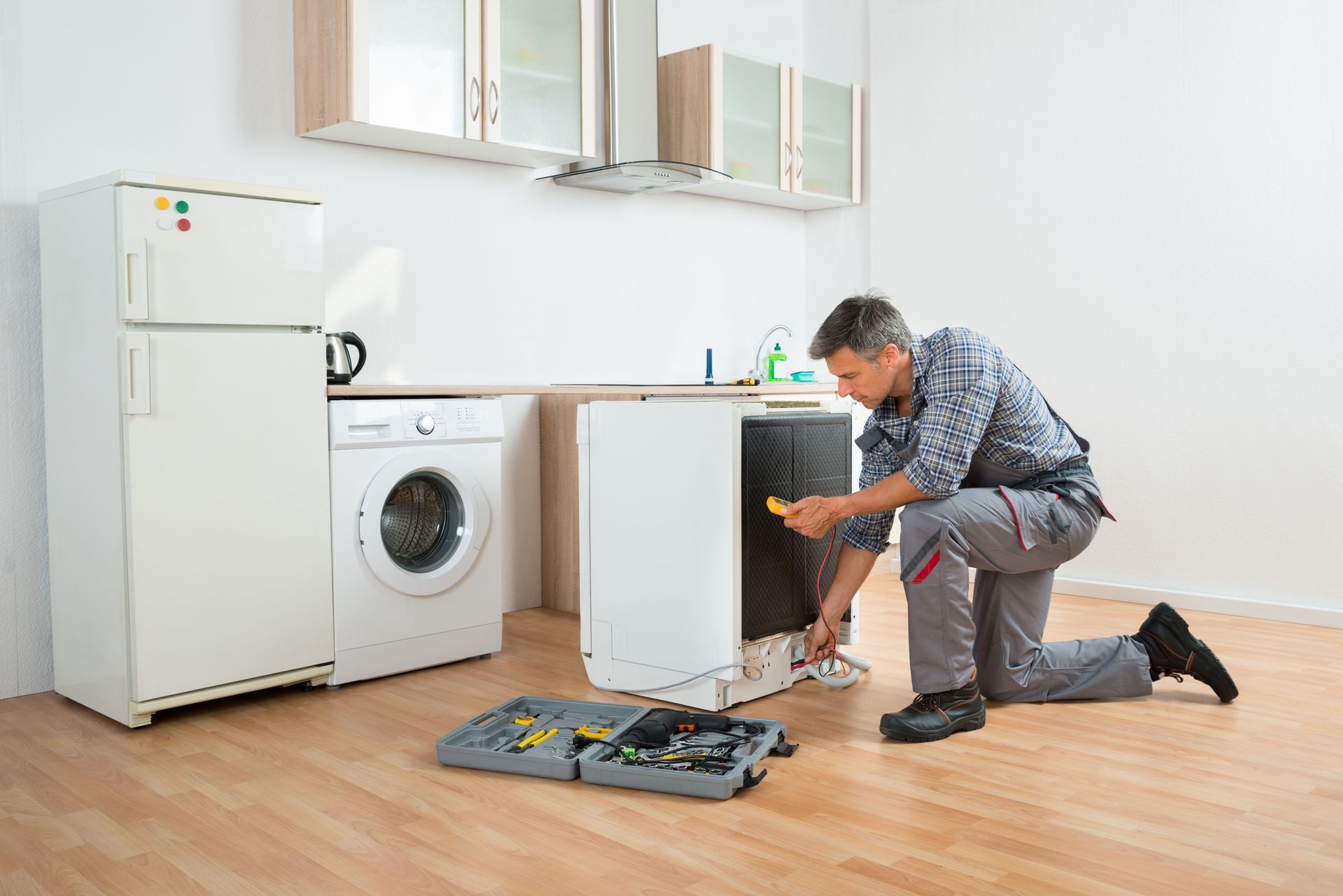
A useful repair process begins by identifying why an appliance is malfunctioning. Technicians can evaluate drainage failures, electrical problems, mechanical faults, heating issues, and control-related concerns with diagnostic equipment instead of basing a repair solely on the symptom a homeowner notices. This is especially important when several different component failures could produce similar behavior.
Diagnosis also provides a clearer basis for determining which component requires repair or replacement. A dishwasher that will not drain, a microwave that does not respond to input, or a refrigerator that cannot stay cold represents a symptom rather than a complete explanation of the failure. Evaluating the relevant systems allows the repair to address the underlying problem.
Professional Repairs Can Restore Everyday Convenience
A malfunctioning appliance can interrupt a household routine long before the unit stops operating entirely, making unusual performance worth taking seriously. Professional diagnosis connects visible symptoms with their underlying causes so repairs can focus on the component or system responsible for the problem. Browne's Appliance provides an appliance repair service for refrigerators, freezers, washers, dryers, ranges, ovens, dishwashers, and microwaves in the San Diego area. Homeowners experiencing appliance problems can contact Browne's Appliance for a free quote and professional assistance restoring their household appliances.









Share On: