
Need Emergency Dishwasher Repairs? Here’s What to Do First
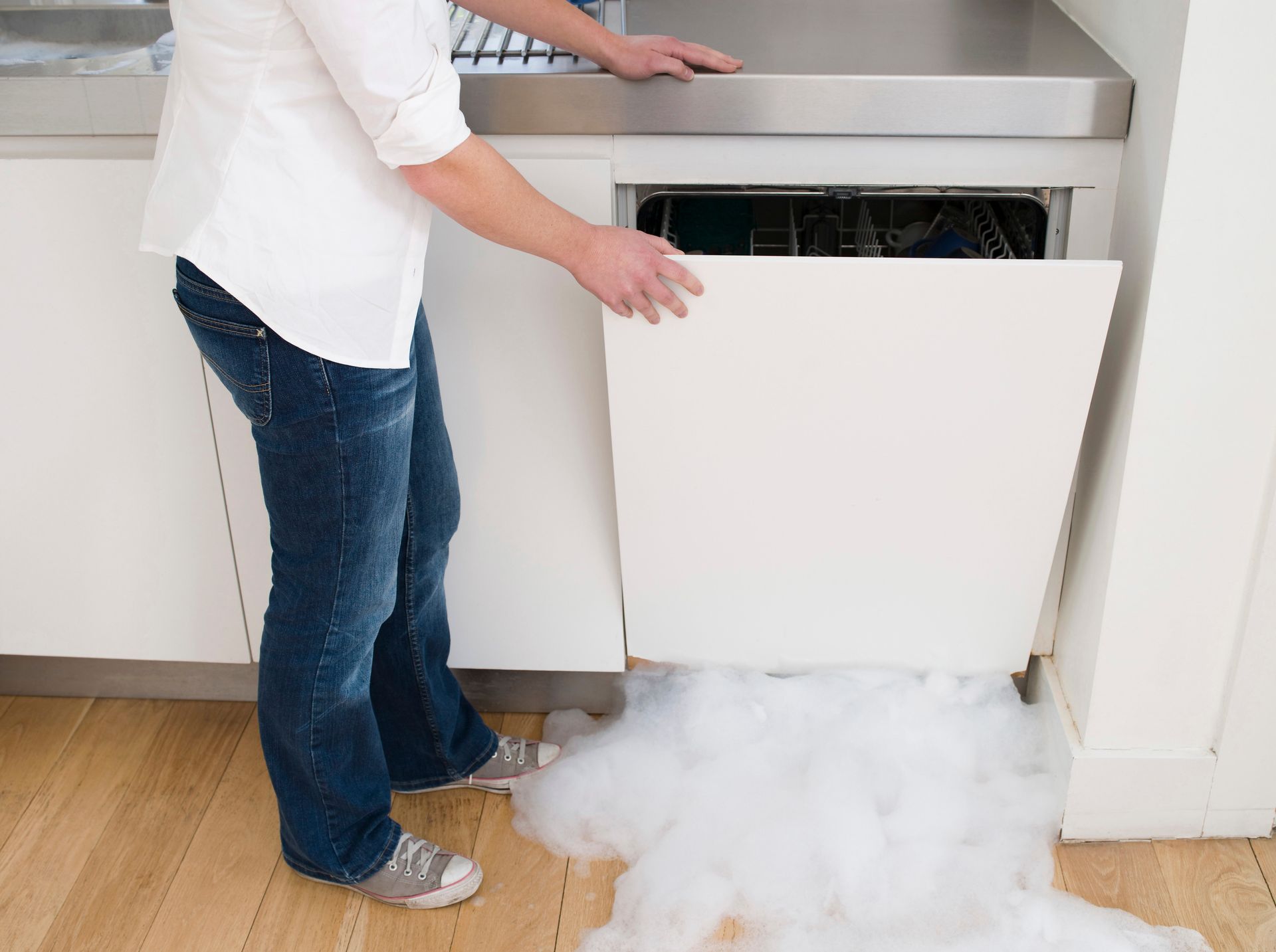
A sudden malfunction in your kitchen setup can turn a routine domestic evening into a stressful crisis within minutes. Standing water pouring across hardwood floors or strange electrical humming coming from a stuck wash cycle demands swift, methodical action to prevent extensive property damage. Before attempting diagnostic steps or searching for professional technicians, every homeowner must prioritize home safety and containment. Turning off the primary water supply line beneath the adjacent kitchen sink halts active flooding immediately, while flipping the designated circuit breaker at your main electrical panel eliminates the risk of electrical shocks near pooled water. Taking these protective measures instantly stabilizes the situation and creates a safe working environment to evaluate whether simple troubleshooting will suffice or if professional dishwasher repairs are necessary. Acting quickly within the first few minutes minimizes water exposure and protects expensive kitchen flooring from warping.
Isolating Water Lines and Safeguarding Surrounding Kitchen Surfaces
Standing water poses an immediate threat to kitchen cabinetry, subflooring, and under-counter drywall installations. Once power and water supplies are cut off, quickly lay down absorbent towels or heavy blanket barriers along cabinet edges to block water from spreading toward nearby rooms. If water remains trapped inside the interior tub, manually scoop out standing liquid into a bucket to relieve pressure on internal door gaskets and pump seals. Inspecting the under-sink plumbing connections reveals whether the leak originates from the water inlet valve, the flexible drain hose, or the main sink disposal junction. Carefully checking cabinet floor corners ensures hidden moisture does not rot subflooring over time. Securing the immediate area prevents minor mechanical leaks from deteriorating into expensive floor restoration projects, keeping surrounding cabinetry intact while you prepare to coordinate professional dishwasher repairs with local appliance specialists.
Diagnosing Common Causes of Sudden Drainage Failures and Overflow
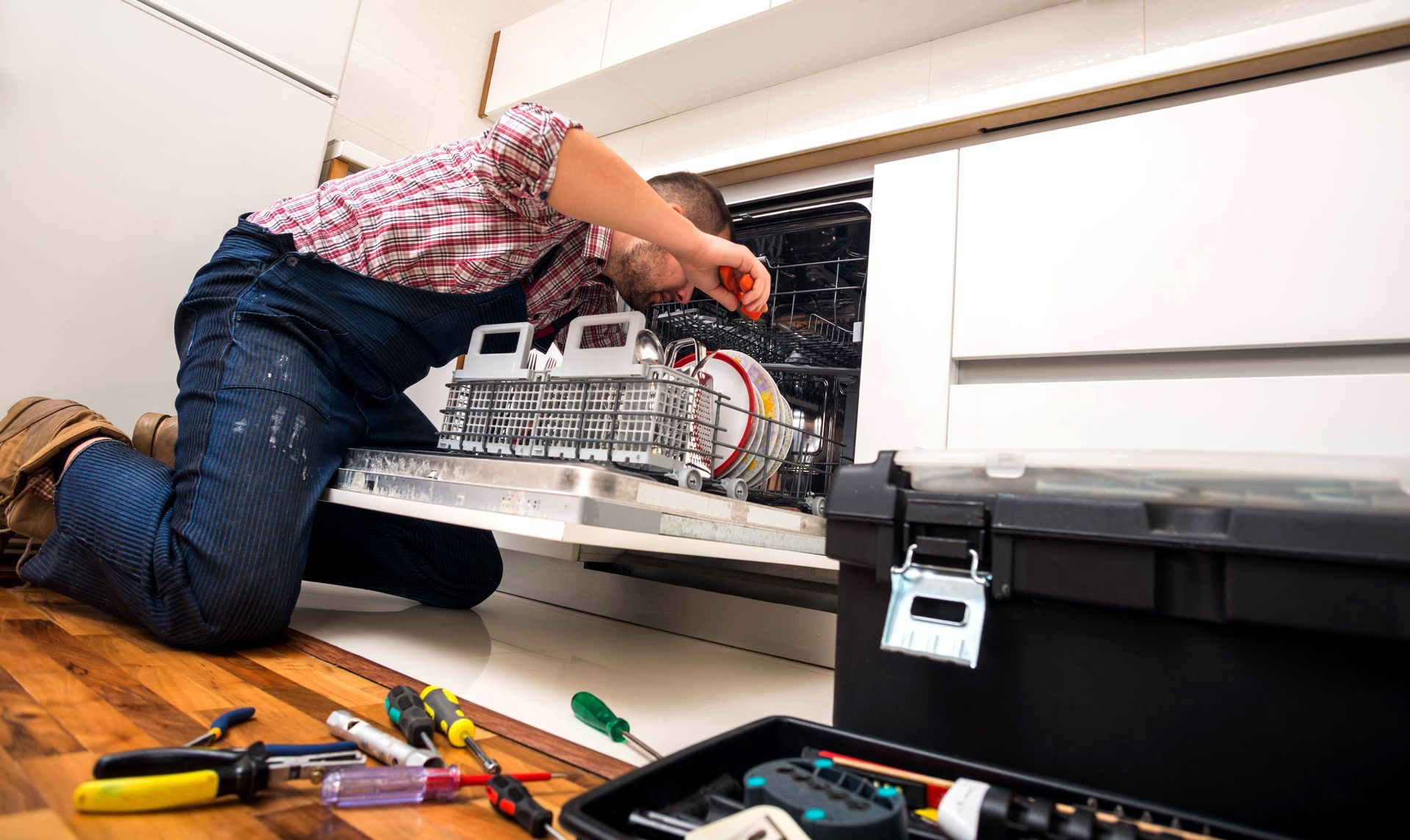
Understanding why a wash cycle fails mid-operation helps homeowners convey accurate information when requesting emergency service calls. Drainage failures often stem from clogged food filters, twisted drain hoses, or obstructed garbage disposal connections rather than complete motor failures. Removing the bottom dish rack gives you direct access to the cylindrical mesh filter, where accumulated food debris, glass shards, or foreign objects frequently block natural drainage pathways. Checking the garbage disposal connection ensures that recently processed food waste is not backing up into the discharge hose. Additionally, air gaps mounted beside kitchen faucets can accumulate mineral scale or grease buildup, preventing wastewater from venting into the sewer line. Clearing visible blockages manually often restores standard wash functions; however, deep mechanical obstructions inside the drain pump or impeller housing mandate certified dishwasher repairs to restore proper circulation.
Inspecting Door Latch Assemblies and Water Inlet Valve Operations
A leaking front door or a unit that refuses to start often points directly to a failing door latch assembly or a malfunctioning water inlet valve. The door latch serves a dual purpose by creating a watertight seal against the rubber gasket and signaling the internal control board that it is safe to begin filling. If the latch microswitch wears out or misaligns, the machine will remain unresponsive or stop mid-cycle, leaving water sitting in the tub. Simultaneously, a stuck water inlet valve can cause continuous overfilling or prevent water from entering the tub altogether. Addressing faulty solenoids, worn door switches, or degraded rubber seals through targeted dishwasher repairs ensures your appliance fills and seals correctly without risking sudden room flooding.
Evaluating Energy Efficiency and Identifying Optimal Machine Replacement Thresholds
Deciding whether to repair an aging unit or invest in a modern replacement requires evaluating ongoing utility expenses alongside immediate repair costs. According to the US Department of Energy, ENERGY STAR certified dishwashers consume approximately 12% less energy and 30% less water compared to standard models. Older units suffering from recurring heating element failures, cracked tub assemblies, or burnt control boards often cost significantly more to maintain over time than upgrading to energy-efficient alternatives. However, relatively modern appliances experiencing minor door latch misalignments, blown thermal fuses, or clogged inlet valves respond exceptionally well to targeted maintenance. Comparing annual utility savings against single component repair estimates provides absolute clarity during replacement decisions. Assessing the overall age and energy rating of your appliance ensures you make a financially sound choice when deciding between comprehensive dishwasher repairs and brand-new equipment installations.
Troubleshooting Electrical Interruptions and Reading Control Board Diagnostic Codes
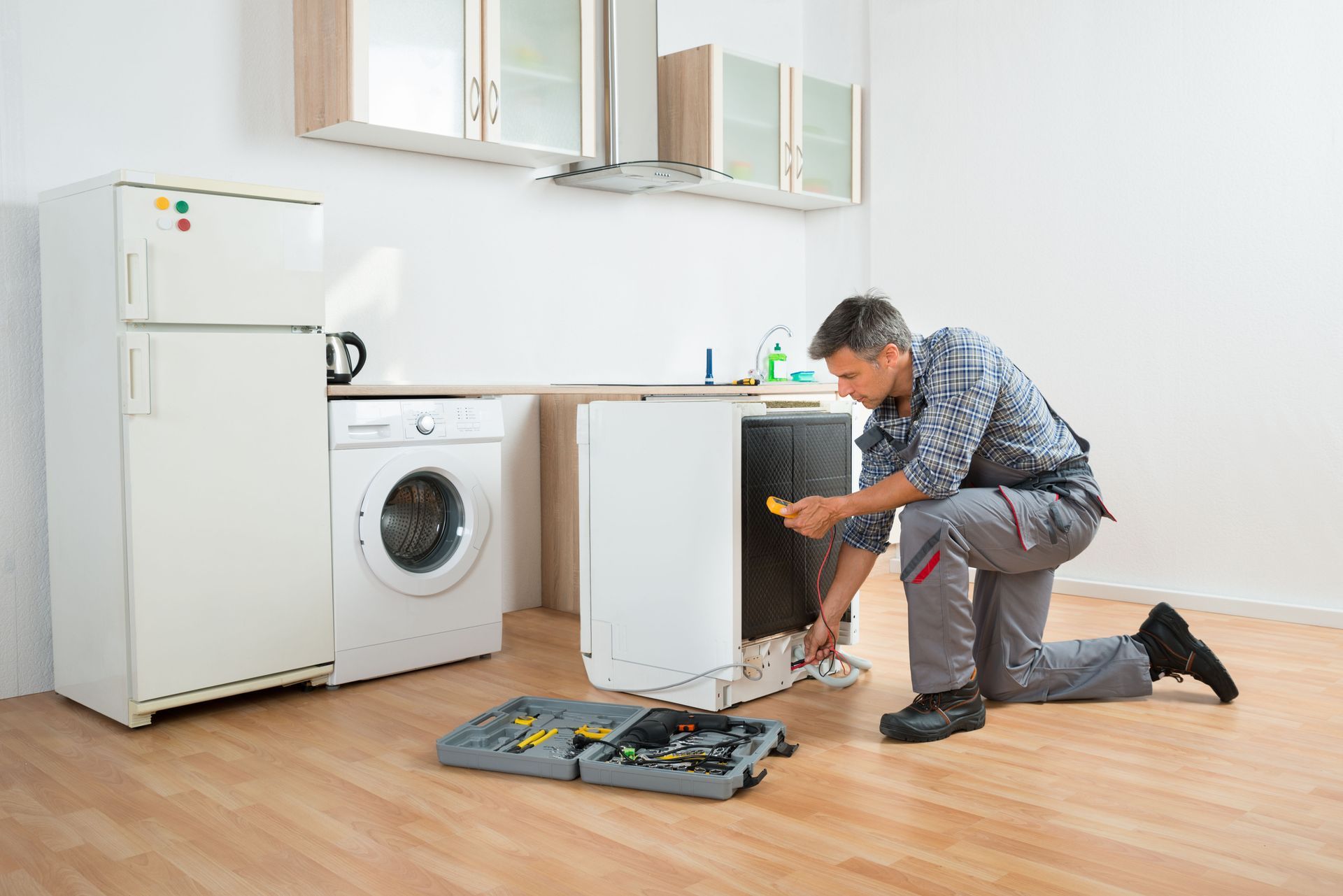
When a digital display flashes cryptic error codes or loses power mid-cycle, the underlying culprit is often electrical rather than hydraulic. Modern units utilize sensitive computer control boards to monitor water temperature, spray arm pressure, and door lock status. A sudden power surge or door switch misalignment can cause the appliance to freeze entirely as a built-in safety precaution. Performing a hard reset by shutting off power at the main breaker panel for ten minutes allows internal circuit capacitors to clear temporary software glitches. If error codes persist after power restoration, internal thermistors, pressure sensors, or main control boards have likely experienced electrical failure. Consulting the manufacturer manual helps identify specific error code meanings before scheduling a technician. Resolving complex electronic faults requires specialized diagnostic tools and professional dishwasher repairs to ensure safe wiring and reliable system operation.
Preparing Critical Machine Information Before Contacting Emergency Technicians
When requesting urgent service appointments, providing precise appliance specifications enables repair crews to bring correct replacement parts directly to the first appointment. Located along the inside door rim or side frame, the metal specification plate displays the exact model number, serial number, and manufacturing date. Conveying these precise details alongside a clear description of the problem, such as persistent error codes or active motor humming, allows technicians to pre-order original equipment manufacturer components before arriving at your property. Proper preparation minimizes service delays and eliminates the need for multiple diagnostic visits. Clear communication regarding appliance history helps technicians diagnose complex internal faults quickly. Providing complete equipment details upfront ensures that emergency dishwasher repairs are executed efficiently, returning your kitchen routine to normal without unnecessary operational downtime.
Preventing Recurring Appliance Emergencies Through Routine Maintenance Protocols
Preventing future kitchen flooding and unexpected appliance breakdowns requires committing to simple monthly preventive care routines. Cleaning internal mesh filters under warm running water removes built-in food oils that strain internal drainage pumps over time. Running a high-temperature cycle with white vinegar clears mineral buildup from interior spray arm nozzles. Running a monthly cleaning cycle with specialized appliance cleaner dissolves limescale deposits and hard water crust inside internal spray nozzles, maintaining optimal water pressure throughout every cycle. Inspecting flexible rubber door seals for cracks, tears, or misalignment prevents minor water seepage from leaking onto kitchen floors. Taking proactive maintenance steps protects internal mechanical components from premature wear, significantly reducing the likelihood of requiring emergency dishwasher repairs during busy household schedules.
Encountering an unexpected kitchen appliance breakdown can be overwhelming, but following a structured response strategy keeps your property protected and minimizes stress. Shutting off utility connections immediately stops active flooding, while careful filter checks and system resets can resolve minor mechanical glitches without professional intervention. When complex motor faults, electrical control failures, or severe plumbing leaks occur, partnering with certified service professionals guarantees safe, code-compliant solutions. Utilizing professional dishwasher repairs extends the functional lifespan of your appliance, preserves home energy efficiency, and restores reliable convenience to your daily household routines. Contact Browne's Appliance today to schedule your emergency service call and restore your kitchen to full operation!













Share On: